Recent Articles
Latest articles by Tarek ElBaradie
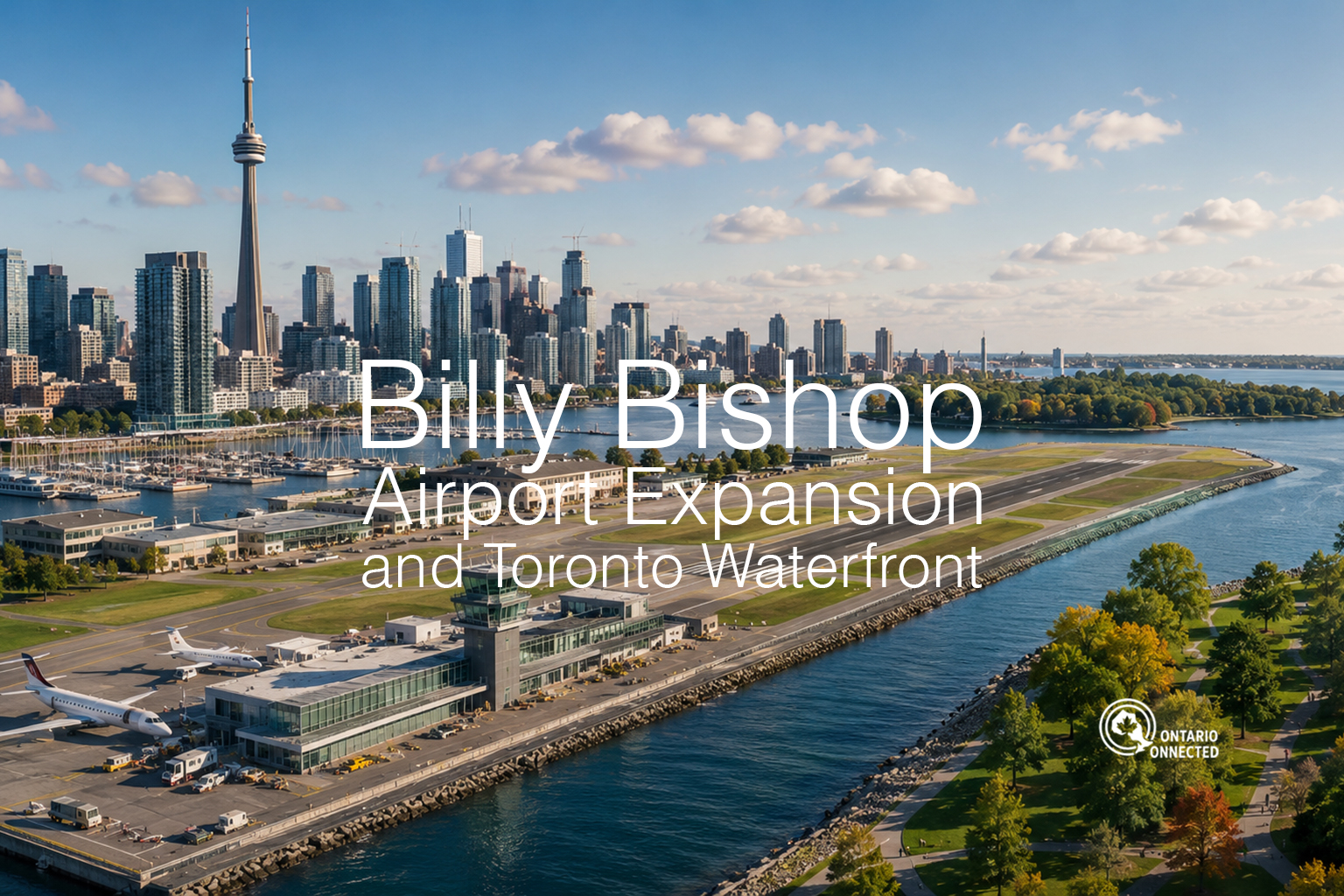
Billy Bishop Airport Expansion Cancelled: What Toronto Gains and Loses
Ottawa’s rejection of the Billy Bishop Airport expansion protects Toronto’s waterfront but leaves important questions about airport capacity, economic growth and regional connectivity. Ontario Connected examines the benefits, risks and practical alternatives.
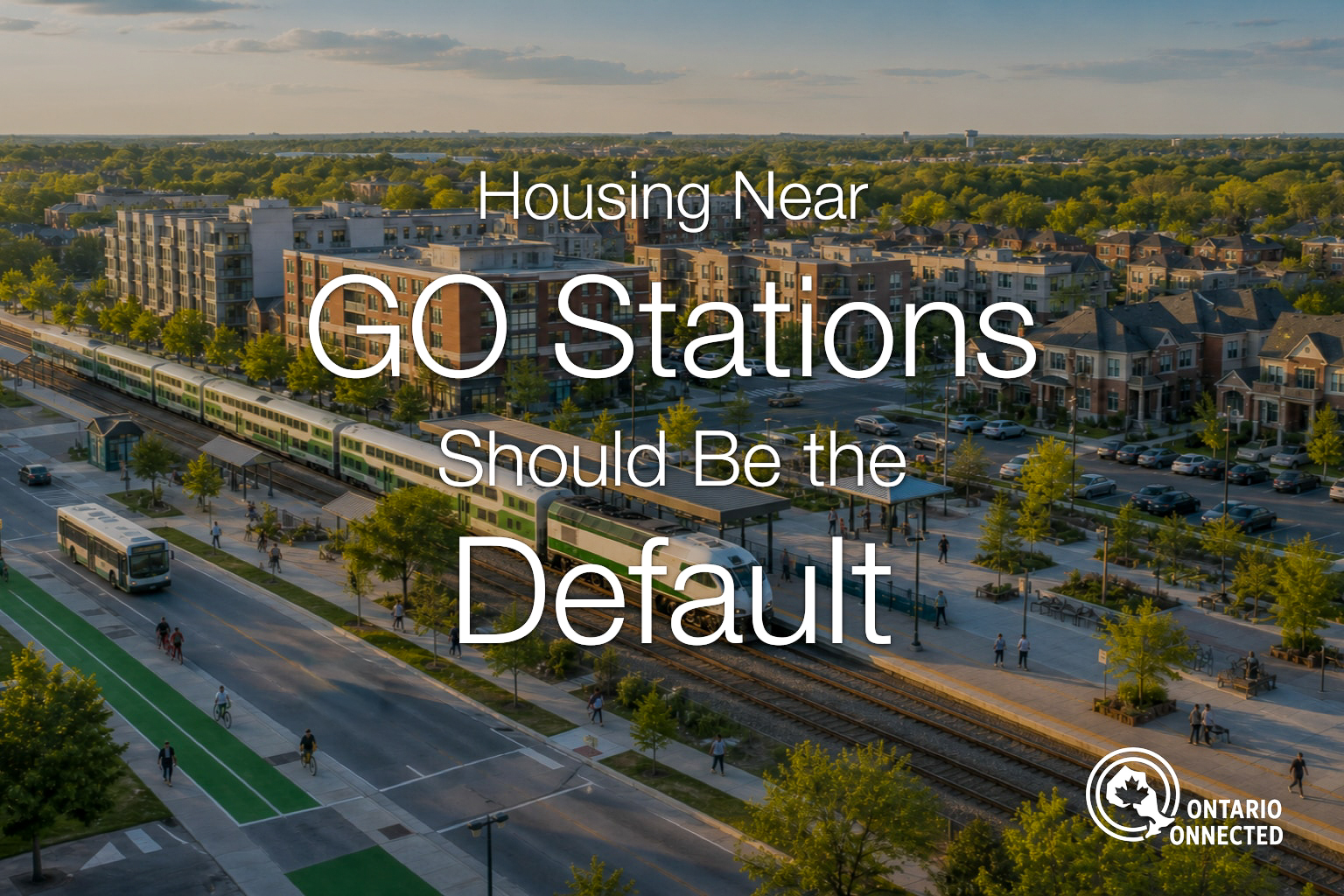
Housing Near GO Stations Should Be the Default
Ontario plans up to 292,000 homes near transit. The next step is simple: make housing around GO stations the default, not the exception.
Provincial Transit Funding Must Follow Provincial ControL
Ontario is uploading the DVP and Gardiner because they serve the region. Bill 98 also gives the Province more control over transit fares, service standards, and regional planning. This article argues that provincial transit funding must follow provincial control, especially for subway safety, platform doors, service reliability, and long-term public infrastructure.
TTC Privatization and Bill 98: What Comes Next
Bill 98 is going to pass by Ford's majority. ATU Local 113, TTCriders, and the TTC's CEO all went to Queen's Park and made the case. Now the fight moves to the regulations, and TTC privatization is coming.
Ontario’s Growing Crisis
Ontario is growing faster than ever — but our infrastructure isn’t keeping up.
Toronto’s subways are overcrowded, running on 1950s foundations with patchwork fixes.
Highways like the 401 and QEW are choked with daily gridlock, slowing families and commerce.
Housing costs are skyrocketing, forcing students and young families out of cities.
Building more highway tunnels or short-term patches only deepens dependence on cars and pushes the crisis further down the road. families, and newcomers are priced out of urban life.
Line 1 & 2 operate well beyond safe design capacity, with daily delays and crush-loaded platforms.
Ontario drivers lose hours each week stuck on the 401, QEW, and 400-series highways.
Toronto’s backbone subways were designed in the 1950s. Band-aid repairs can’t sustain 21st century growth.
Ontario faces a shortage of affordable units. Students, families, and newcomers are priced out of urban life.
About the Founder

The Stats
Toronto’s subway and highways are already over capacity, straining daily commutes.
Without bold expansion, congestion, housing pressures, and costs will only grow worse.
The Vision at a Glance
Transit Grid
Transit Grid
High-capacity north–south and east–west underground corridors connecting the GTA, Simcoe, Durham, Hamilton-Niagara, and Tri-Cities.High-capacity north–south and east–west underground corridors connecting the GTA, Simcoe, Durham, Hamilton-Niagara, and Tri-Cities.
Parallel Cities
Parallel Cities
Underground hubs for retail, culture, recreation, and services — warm, walkable, climate-resilient spaces.
Housing Innovation
Housing Innovation
Affordable undergroundmicro-housing near hubs for students, newcomers, and families — preserving nature above, building below.
Ontario needs High-Speed Rail — now!
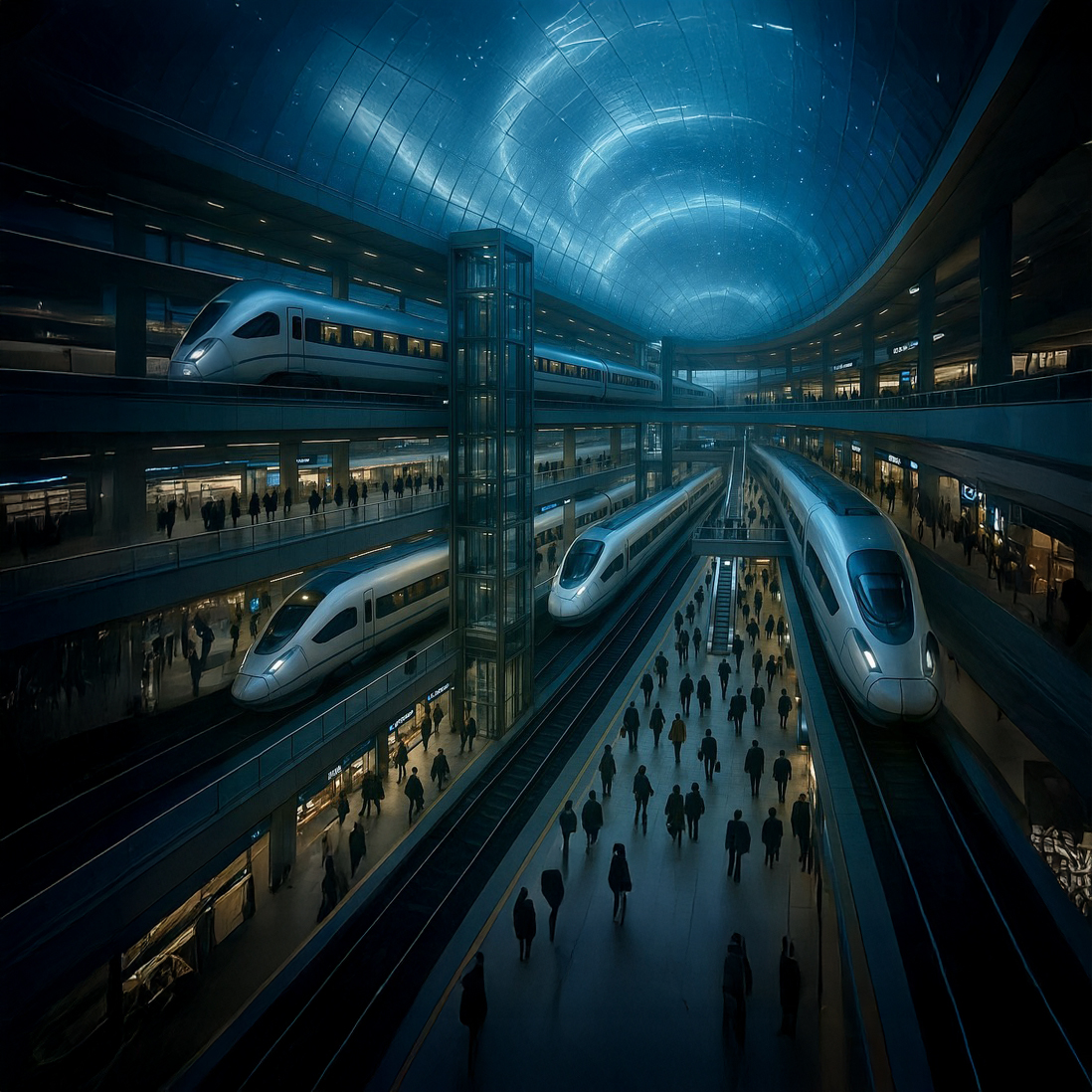
HSR at 200–300 km/h connects our cities faster, cleaner, and more reliably than highways—freeing people and the economy from gridlock.
- 40–60% faster than driving on key corridors
- All-weather reliability and real capacity
- Lower emissions, better access to jobs & housing
Indigenous Partnership First
Ontario Connected begins with Indigenous consultation and partnership — respecting treaty rights,
Including Indigenous leadership in planning, creating training and jobs, and integrating culture, sports, education, and design — connecting communities and recognizing Indigenous heritage as a living world culture woven into Ontario’s shared future.
Why This Matters
Ontario Connected isn’t just about building subways — it’s about shaping a province that works for people, the planet, and the future.
Congestion Relief
Move millions by subway, not highway.
Climate Action
Cut emissions by shifting commuters off cars.
Housing Support
Fast transit makes affordable living possible across the region.
Economic Growth
Jobs today; mobility for generations.
🌱 Climate Action at the Core
Ontario Connected’s vision is more than just transit — it’s climate action.
Every new subway corridor reduces highway traffic and emissions.
By building underground hubs and housing, we protect Ontario’s farmland and forests.
And by creating resilient, weather-proof “parallel cities,” we prepare for the future of harsher winters and hotter summers.
🚉 Fewer Cars
Every expanded line means thousands fewer cars on the 401 and QEW.
🌲 Protecting Nature
Underground building preserves farmland, forests, and conservation areas.
☀️ Future-Proof
Parallel underground hubs give Ontarians warm, resilient spaces during extreme weather.