Education Standards in Ontario
OntarioConnected examines education not as an isolated social issue, but as a foundational system shaping Ontario’s economy, infrastructure, innovation capacity, and long-term resilience.
Education standards in Ontario are no longer a niche policy concern. They directly influence workforce readiness, productivity, public infrastructure capacity, economic competitiveness, and social stability. When foundational learning weakens, its effects ripple across every sector of the province.
This section of OntarioConnected brings together evidence-informed analysis on curriculum design, classroom culture, assessment outcomes, and the long-term consequences of educational decisions. Our focus is not ideology, but outcomes—what works, what doesn’t, and what Ontario risks if standards continue to erode.
What This Education Series Examines
- How EQAO results reflect broader learning trends
- The balance between play-based learning and academic rigour
- Declining numeracy, literacy, and academic resilience
- The relationship between education outcomes and economic capacity
- How classroom culture shapes long-term skill development
- What Ontario can learn from comparative education systems
Featured Analysis
EQAO Results Reveal a Growing Education Crisis in Ontario
A data-driven examination of EQAO math results and what they reveal about declining proficiency, accountability gaps, and long-term provincial risk.
Play vs. Progress: When Childhood Comfort Comes at the Cost of Learning
An analysis of how comfort-first, play-heavy education models are reshaping classrooms—and why challenge, discipline, and effort remain essential.
OntarioConnected’s Education Lens
OntarioConnected does not advocate for punitive schooling or the removal of creativity from classrooms. We argue for balance. Effective education systems combine emotional support with clear expectations, curiosity with discipline, and encouragement with accountability.
Research consistently shows that early mastery of core skills—especially mathematics, reading, and scientific reasoning—is a strong predictor of future academic success, employability, and income stability. When systems avoid challenge, they undermine confidence rather than protect it.
Why Education Standards Matter to Ontario’s Future
Ontario’s ambitions—modern transit systems, advanced manufacturing, housing expansion, green energy, and technological innovation—depend on a population capable of analytical thinking, problem-solving, and technical literacy.
These capabilities are not built at age 25. They are formed in classrooms at ages 7, 10, 14, and 17. Weak education foundations eventually surface as labour shortages, productivity stagnation, and increased social costs.
How Education Connects to Other OntarioConnected Topics
- Infrastructure & Transit: Engineering, planning, and maintenance depend on strong numeracy and technical skills.
- Economy & Jobs: Productivity and innovation follow education quality.
- Housing: Construction, design, and regulation require applied mathematics and systems thinking.
- Quality of Life: Education outcomes shape income stability and social mobility.
Methodology & Scope
Articles in this series draw on EQAO assessments, Ontario curriculum documents, Statistics Canada research, OECD education benchmarks, and comparative international studies. Where direct causation cannot be empirically proven, conclusions are framed as reasoned inferences rather than absolute claims.
Related Articles on Education
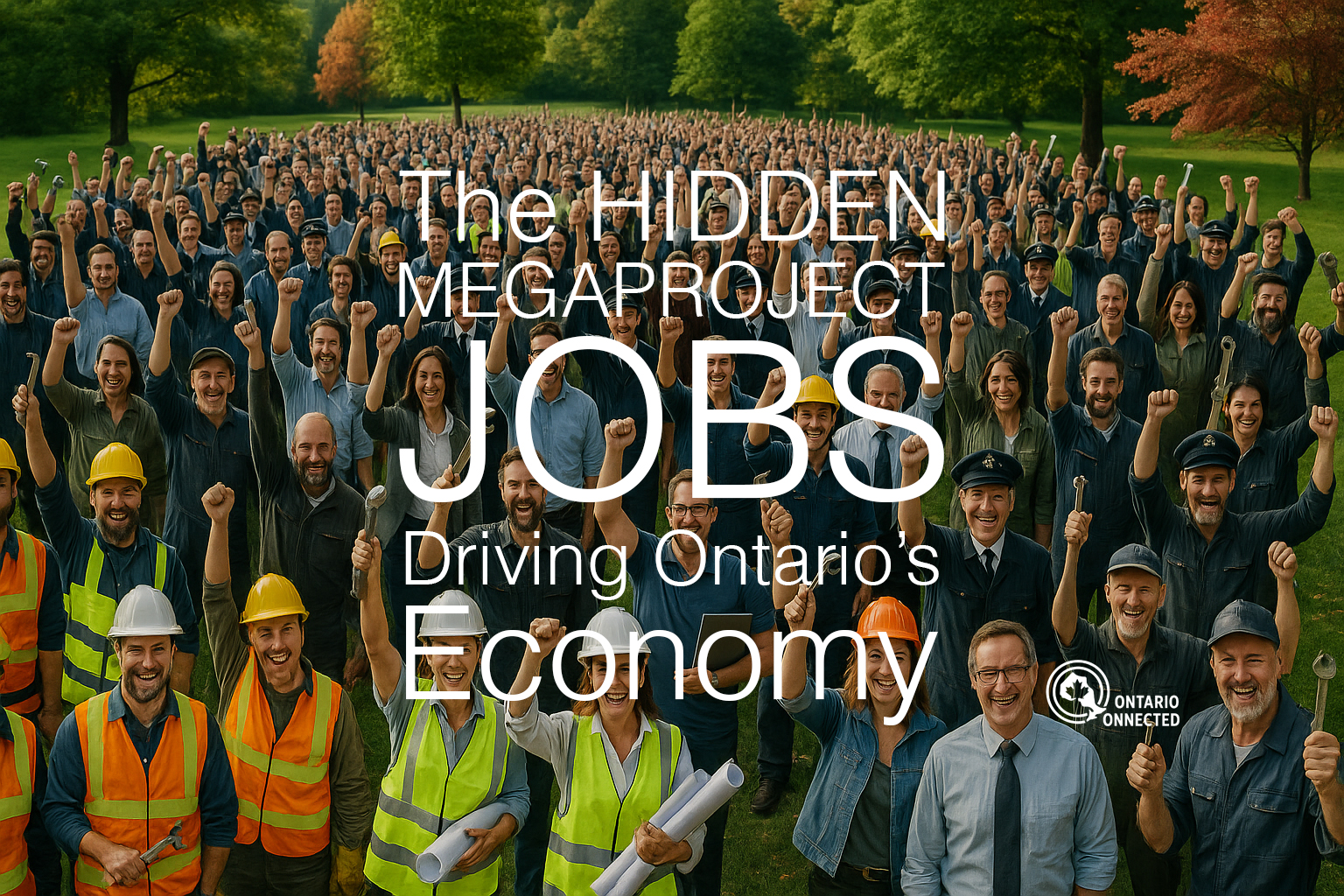
The Hidden Megaproject Jobs Driving Ontario’s Economy
Megaprojects create more than structures—they create careers. This article uncovers the hidden megaproject jobs emerging across construction, engineering, tech, retail, manufacturing, and long-term transit operations, revealing how major infrastructure builds drive economic growth and reshape the workforce.
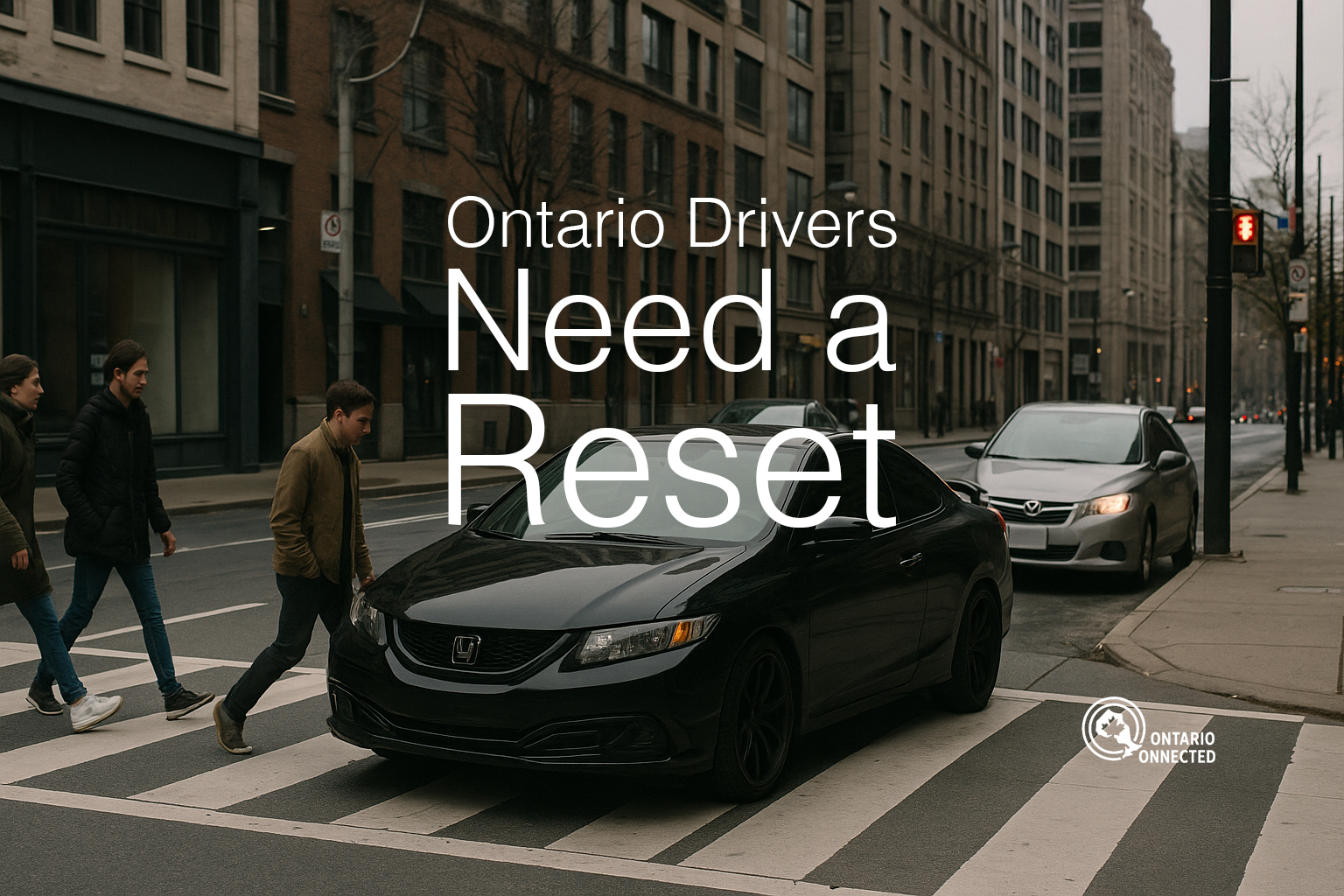
Ontario Drivers Need a Reset
Ontario’s roads are becoming more dangerous as aggressive behaviour, merging chaos, and outdated habits take over daily driving. From left-lane blockers to unsafe ramp merges, drivers are forgetting the basics. Ontario needs mandatory, continuously updated recertification to reset driving culture, strengthen safety, and ensure drivers stay current with evolving road rules.

New Energy Plan: Citizens Must Pedal
Ontario has launched “FitGrid 2030,” an outrageously funny new plan requiring citizens to pedal stationary bikes to generate electricity. With HydroFit inspectors, TTC spin-class transit, and daily wattage quotas, Ontario’s future looks sweaty — and absolutely ridiculous.

What If Your City Was Built by IKEA?
If cities came flat-packed like IKEA furniture, urban planning would finally make sense — until you realize one crucial screw is missing, probably in Etobikön.

When the Snow Falls, So Do We
When snow shuts down the city, Toronto’s homeless find warmth in the subway — a reminder that going underground isn’t just about transit. It’s about survival, and a design vision for a more humane Ontario.

When Seconds Turn Into Tragedy
Ontario’s roads have become more dangerous with rising population, weak enforcement, and unfair insurance. This feature explores how Ontario can restore accountability, reward good drivers, and rebuild safer, smarter roads for all.